Managing construction in an occupied building is a different game entirely.
Schedules are tighter, scrutiny is higher, and mistakes carry consequences that extend well beyond the jobsite. In these environments, compliance is not a box to check -- it’s a continuous risk management function. And one of the most common places projects quietly fall out of compliance is with temporary separation between construction zones and the public.
Temporary walls are often treated as a secondary detail. In reality, they are one of the most visible and heavily scrutinized components of occupied construction spaces.
Non-Compliance Rarely Shows Up All at Once
Most compliance failures don’t start with a shutdown notice or a failed inspection. They begin subtly.
- A fire marshal asks about egress.
- Facilities raises concerns about dust or access.
- An inspector requests documentation that doesn’t exist.
Each of these moments slows momentum. Crews pause. Questions escalate. Decisions that should have been made during planning now need to be solved under pressure. What started as a “temporary” decision becomes a schedule and cost issue that ripples through the project.
In occupied construction spaces, temporary separation systems are often the first thing inspectors and stakeholders notice, and the first thing they question if something looks improvised. When you get in a pinch, just use plastic sheeting, right? No (unless you want the fire marshal on your doorstep.) https://www.jointcommission.org/en-us/knowledge-library/support-center/standards-interpretation/standards-faqs/000001325
Occupied Spaces Raise the Stakes
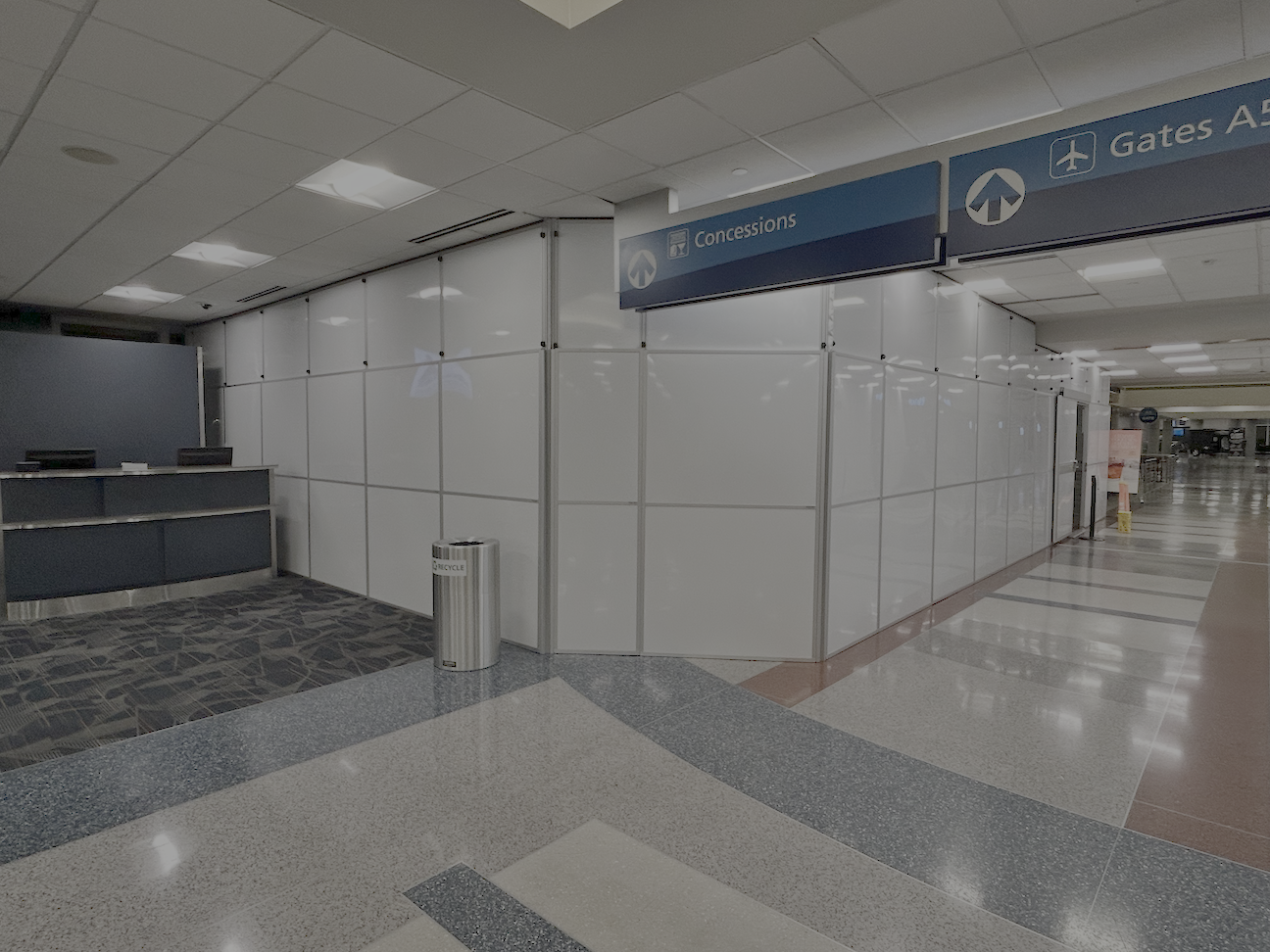
Construction in public or operational buildings introduces layers of responsibility that don’t exist on vacant sites. Fire code compliance, egress paths, accessibility, air quality, noise control, and public safety all become active concerns.
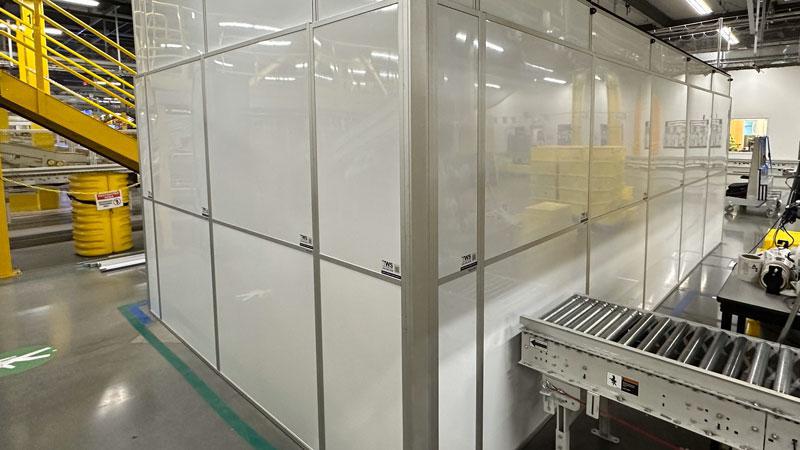
In these environments, temporary walls are no longer just physical barriers. They:
- Define safe zones
- Control movement
- Influence emergency response
Whether intentionally designed or not, they function as part of the project’s safety and compliance system.
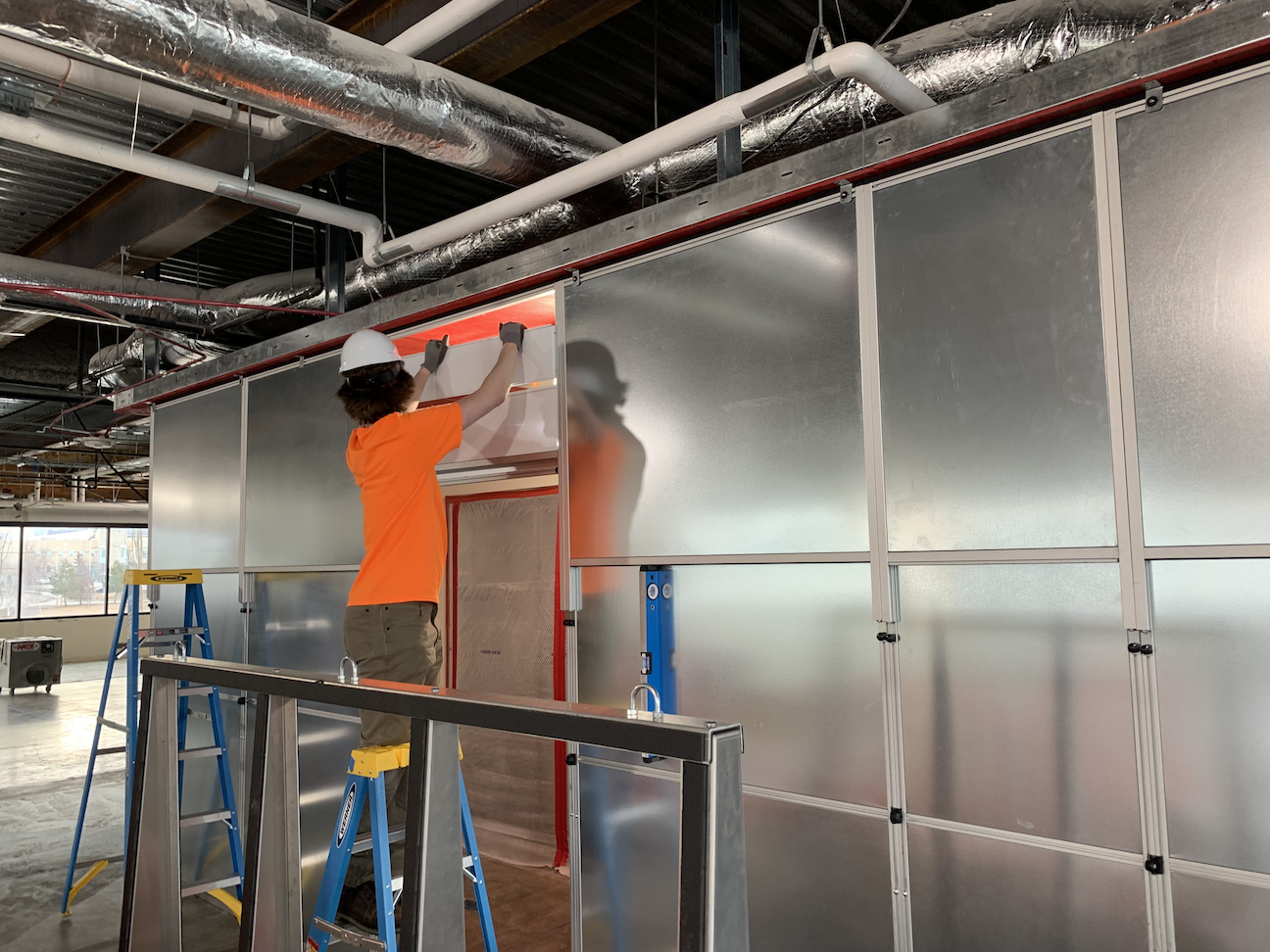
This is where purpose-built and thoughtful planning from Temporary Wall Systems separate themselves from makeshift solutions. Our team of experts can work to design systems specifically for occupied construction making it easier to align with code requirements, easier to document, and easier to defend during inspections. The Environmental Protection Agency provides some tips on the steps to take for safe renovations. https://www.epa.gov/pcbs/steps-safe-renovation-and-repair-activities
The Real Costs That Don’t Appear on the Budget
The financial impact of non-compliance rarely appears as a single line item. Instead, it shows up as friction across the project.
Schedule disruptions are often the first hit. Even short work stoppages can cascade across trades and phases, especially when construction must work around public access or business operations.
Retrofits and rework compound the issue. Improvised containment solutions frequently need to be rebuilt mid-project to meet compliance standards. Doing this under deadline pressure is almost always more expensive than installing a compliant temporary wall system from the start.
There’s also relationship cost. Facilities teams, inspectors, and owners remember projects that create problems in occupied spaces. That memory affects trust, approvals, and future work.
Finally, there’s liability. When containment fails — whether due to blocked egress, dust migration, or public exposure — responsibility doesn’t disappear because the wall was “temporary.”
With Temporary Wall Systems, we address these gaps by offering customizable containment solutions that are designed to withstand scrutiny — not just serve as visual barriers.
Compliance Is Cheaper When Planned Early
Experienced project managers know that compliance problems are far easier to prevent than to fix. Most compliance issues aren’t caused by neglect. They’re caused by underestimating the role temporary walls play in occupied construction.
When you enlist the pros at Temporary Wall Systems, issues are addressed during pre-construction, and become part of the overall risk strategy rather than a reactive fix. Early planning allows teams to align separation with fire code, egress requirements, air control, and public safety before demolition begins.
What This Means for Project Managers
Non-compliance in occupied construction spaces rarely comes from a single mistake. It comes from several small decisions that compound under pressure. Dividing spaces may not be the most glamorous part of a project, but it is one of the most visible to inspectors, facilities teams, and the public. When they fail, everyone notices.
That’s why, in occupied construction spaces, choosing Temporary Wall Systems to be your planning partner from the beginning is less about walls — and more about protecting people, projects, and progress.
Contact us today to start planning your project now. https://tempwallsystems.com/contact-us/