As construction timelines tighten and occupied spaces become the norm, temporary walls for construction and renovation are no longer an afterthought — they’re a strategic planning tool. In 2026, demand is shifting toward solutions that are faster, smarter, cleaner, and more adaptable across industries like healthcare, education, aviation, and commercial spaces.
Here are the key trends shaping temporary wall systems in the year ahead.
1. Earlier Integration Into Project Planning
One of the biggest shifts isn’t in the product—it’s in when temporary walls are considered. More project teams are involving temporary wall partners during the planning and design phases, not after construction starts.
Why it matters in 2026:
- Better phasing and logistics coordination
- Fewer last-minute changes
- Reduced downtime in occupied buildings
Temporary walls are becoming a proactive solution rather than a reactive fix.
2. Higher Expectations for Appearance
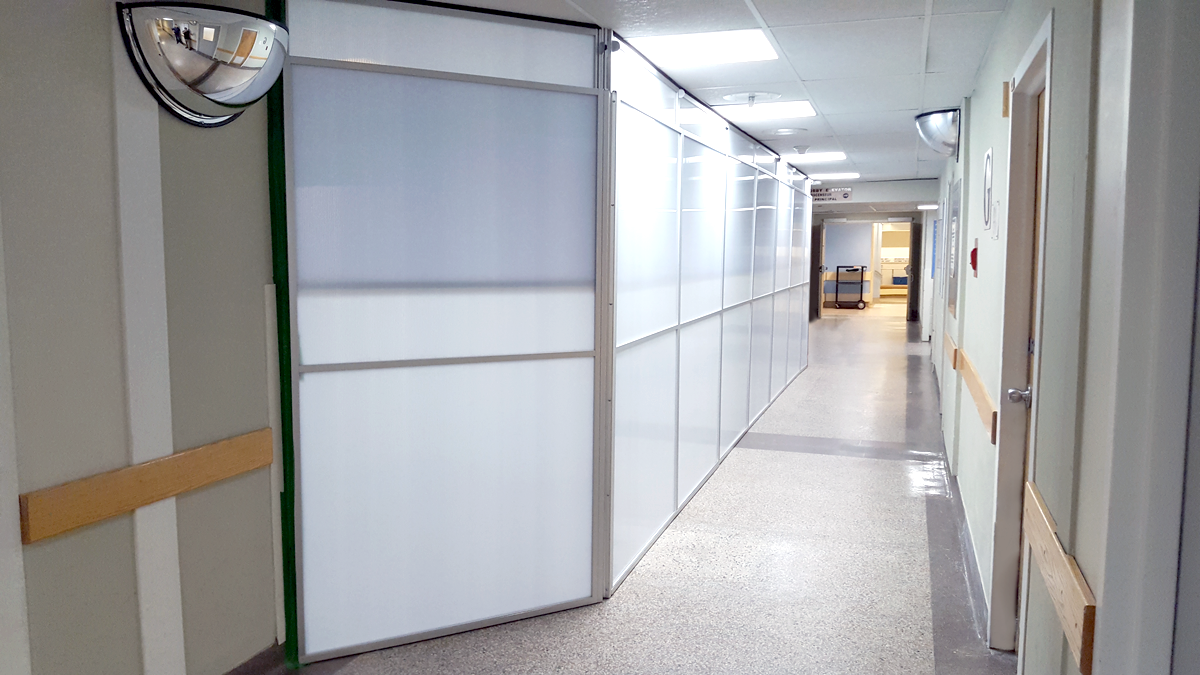
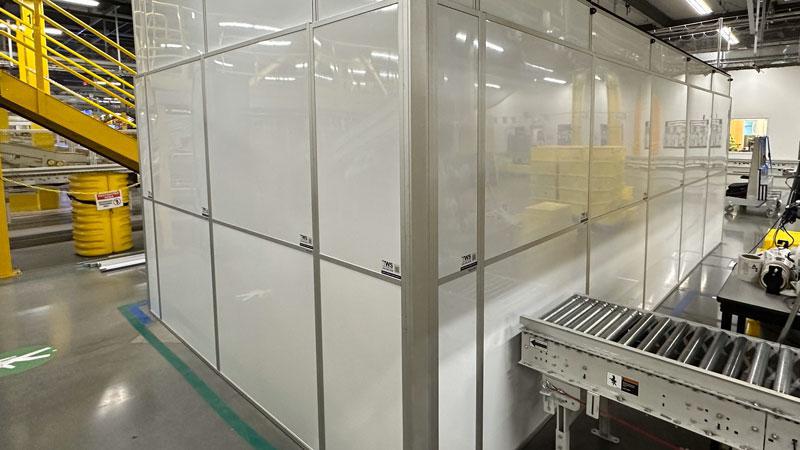
Gone are the days when temporary walls were expected to “just block off space.” In 2026, aesthetics matter more than ever — especially in schools, hospitals, offices, casinos, car dealerships, and high-end retail establishments.
What clients are asking Temporary Wall Systems for:
- Clean, professional finishes
- Neutral or brand-aligned colors
- Walls that blend into the existing environment
Temporary walls are now expected to look intentional, not temporary.
3. Increased Focus on Safety and Compliance
Safety remains a top priority, but requirements are becoming more specific. Clients want solutions that protect occupants while meeting evolving site and industry standards.
Key considerations include:
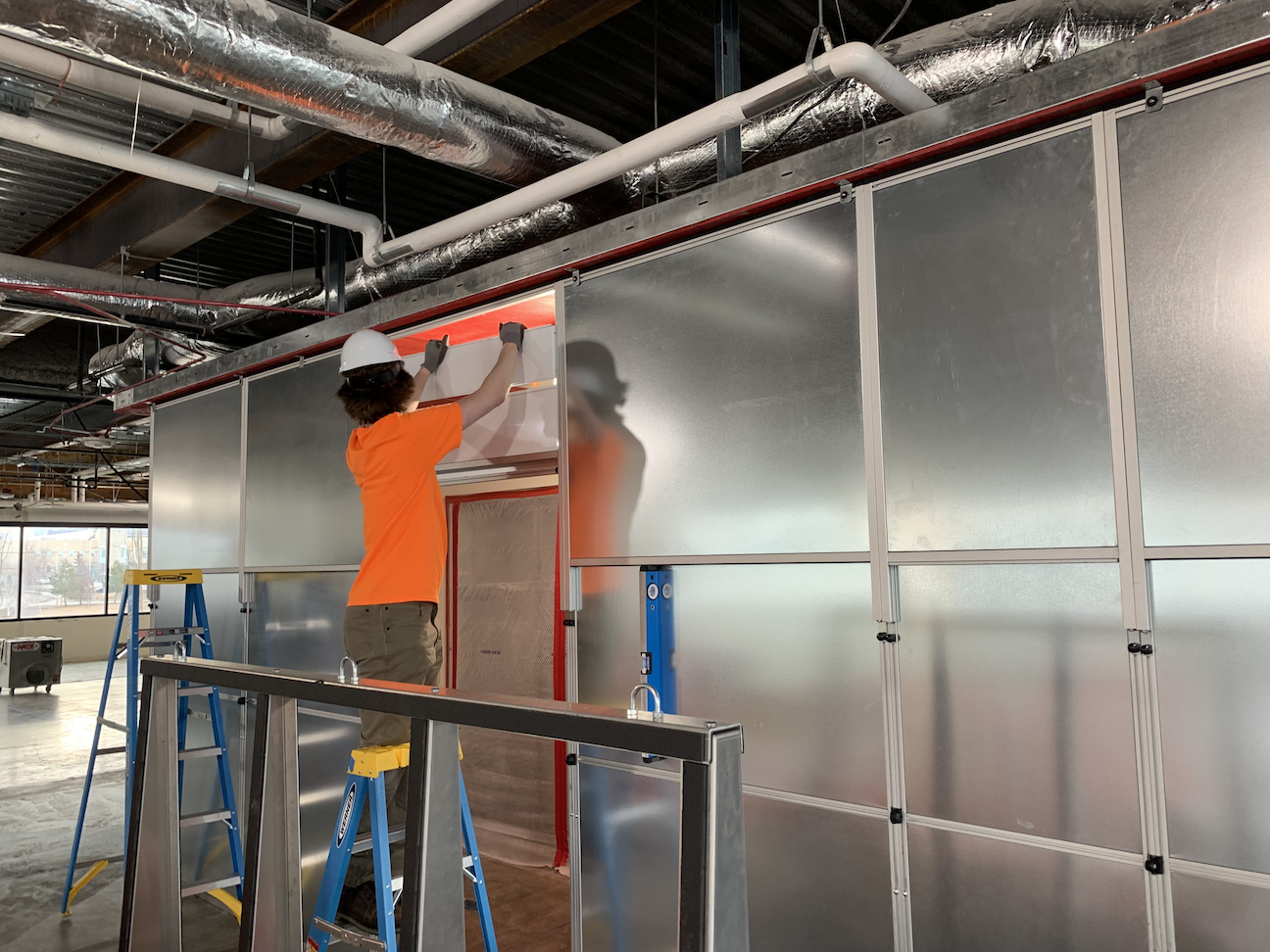
- Secure panel connections
- Stable, freestanding systems
- Solutions appropriate for high-traffic and sensitive environments
In 2026, safety isn’t assumed — it’s scrutinized.
4. Flexibility for Phased and Evolving Projects
Projects are rarely linear anymore. Construction schedules shift, scopes change, and spaces need to adapt quickly.
We've been ahead of this trend for awhile:
- Faster reconfiguration
- Easy expansion or relocation
- Support for multi-phase renovations
Flexibility is becoming just as important as speed.
5. Minimal Disruption as a Core Requirement
Whether it’s a school in session, a hospital treating patients, or an airport operating 24/7, disruption is no longer acceptable.
In 2026, clients expect:
- Quieter installs
- Faster setup and removal
- Solutions that keep operations running
Temporary walls play a critical role in maintaining continuity.
6. Partners, Not Just Providers
Perhaps the most important trend: clients want partners, not vendors.
They’re looking for teams that:
- Understand their environment
- Anticipate challenges
- Communicate clearly and early
- Support the project from planning through completion
The temporary walls are increasingly judged by the experience — not just the product.
Looking Ahead
As we move into 2026, temporary walls are becoming an essential part of modern construction strategy. When planned correctly, they protect people, preserve operations, and keep projects moving forward.
At Temporary Wall Systems, we continue to adapt alongside our clients—bringing experience, flexibility, and thoughtful planning to every project. It's not enough to simply divide spaces anymore -- you have to bring projects together.
If you're ready for a partner to work with you on the scale of your operations, reach out to Temporary Wall Systems today by clicking here