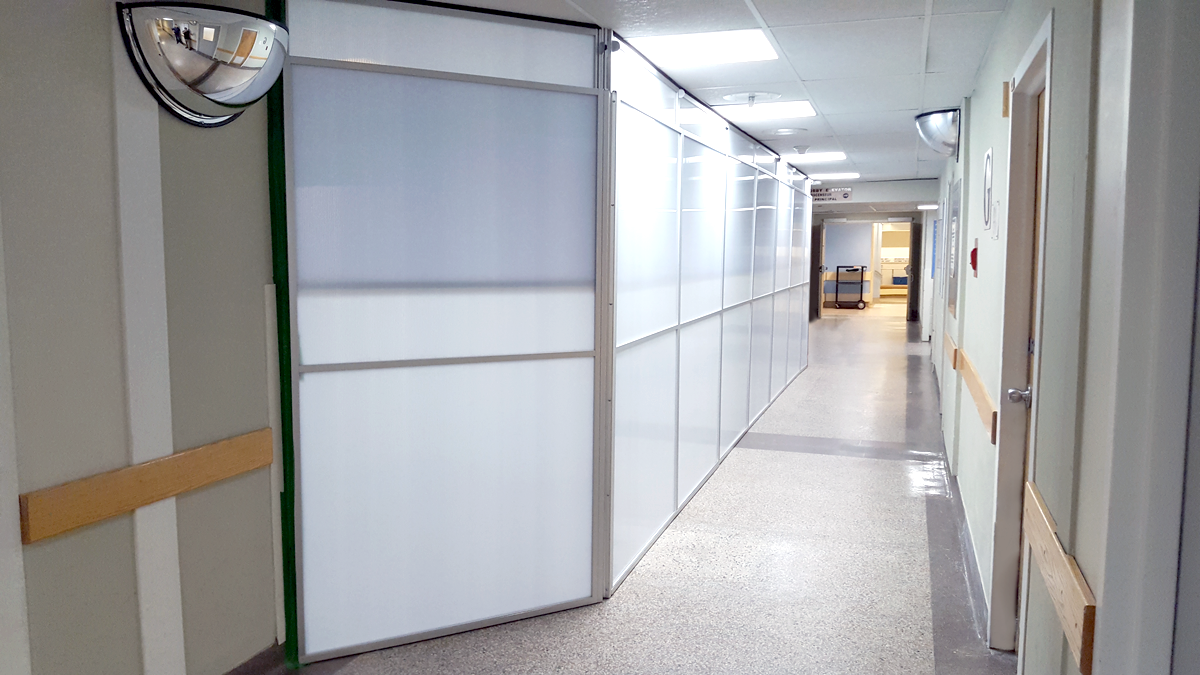
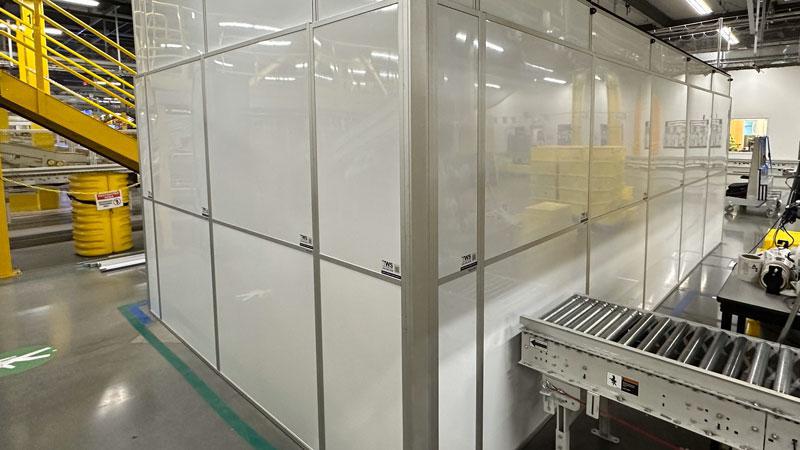
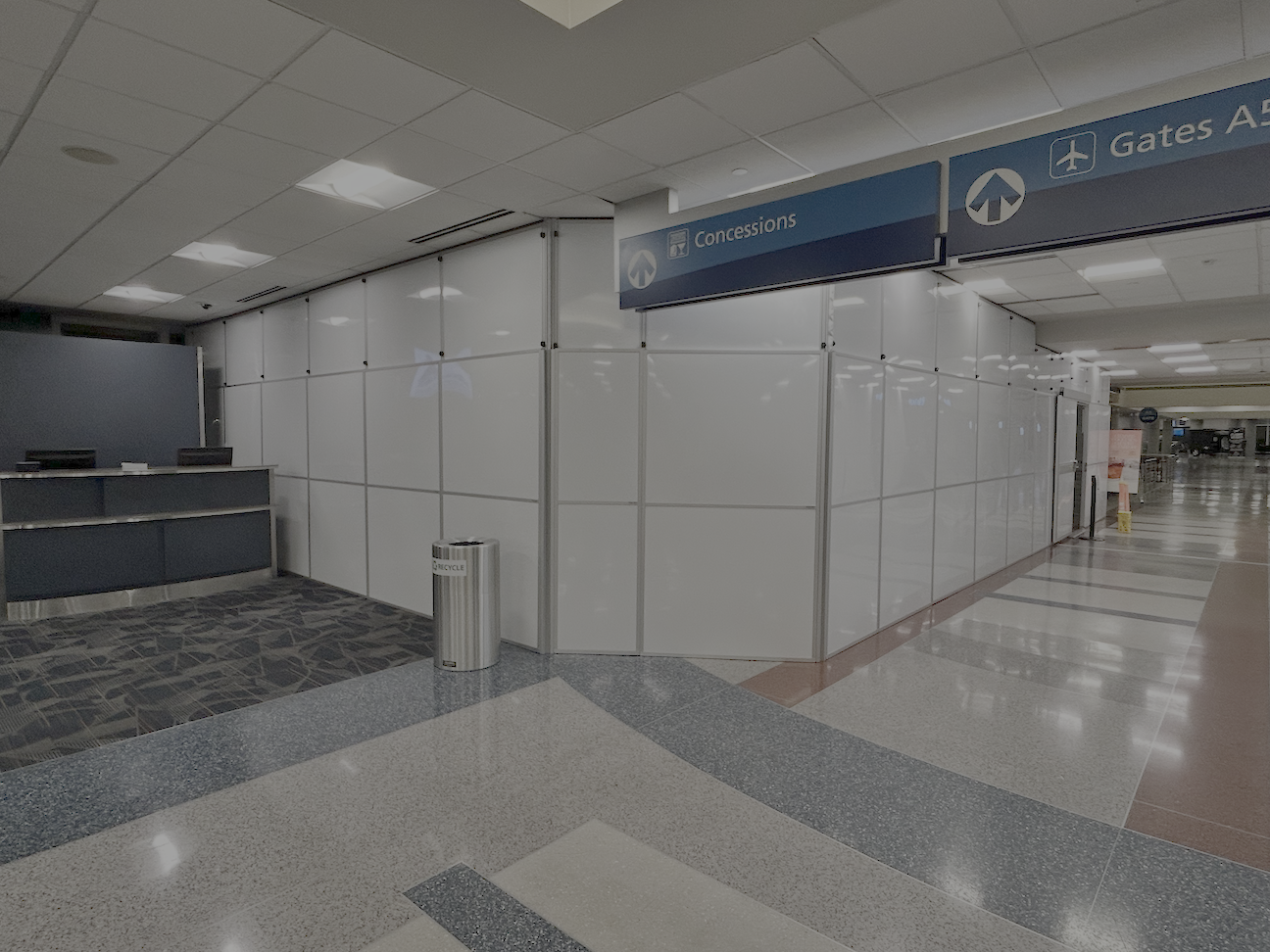
When planning a renovation, expansion, or phased construction project, your temporary wall needs are often treated as a last-minute necessity — something to address once construction is already underway. However, involving Temporary Wall Systems (TWS) early in the planning process can significantly reduce risk, control costs, and keep projects on schedule, especially in active environments like hospitals, airports, offices, schools, and commercial space. Early collaboration with TWS isn’t just about installing walls — it’s about strategic planning that protects people, operations, and budgets.
Temporary Walls Are a Planning Tool—Not Just a Product
Temporary walls play a critical role in maintaining safety, privacy, and functionality during construction. When incorporated early, they become part of the overall project strategy rather than a reactive fix.
By engaging TWS during pre-construction or early design phases, project teams can:
- Identify the most efficient wall layouts
- Anticipate logistical challenges
- Align construction phasing with daily operations
- Reduce costly change orders
This proactive approach allows TWS to support the project rather than slow it down.
Minimize Disruptions in Occupied Spaces
Many projects take place in buildings that must remain operational. Hospitals can’t shut down patient care, airports must keep passengers moving, and offices need to stay productive.
Early involvement from TWS helps:
- Maintain safe pedestrian and staff flow
- Reduce noise, dust, and visual disruption
- Preserve privacy and security
- Keep tenants, patients, and customers comfortable
Planning walls in advance ensures that construction and daily operations can coexist smoothly.
Improve Safety and Compliance from Day One
Temporary walls are often required to meet fire ratings, infection control standards, sound attenuation requirements, and local building codes.
When TWS is involved early:
- Code and compliance requirements are addressed upfront
- Fire-rated and ICRA-compliant solutions are integrated into the plan
- Safety risks are identified before installation
- Inspections and approvals move faster
This reduces delays caused by last-minute compliance issues and helps maintain a safe jobsite throughout the project.
Control Costs and Avoid Last-Minute Expenses
Waiting until construction begins to address temporary walls can lead to rushed decisions, premium pricing, and unexpected costs. Early planning with TWS allows teams to:
- Lock in accurate budgets
- Optimize wall reuse across project phases
- Avoid emergency installations
- Reduce labor and material waste
In many cases, early coordination results in measurable cost savings over the life of the project.
Support Faster Project Timelines
Temporary walls that are planned early can be installed quickly and efficiently, helping projects stay on schedule. TWS systems are designed for:
- Rapid installation and removal
- Easy reconfiguration as phases change
- Minimal downtime between construction stages
By aligning wall installation with construction milestones, project managers can maintain momentum and avoid unnecessary delays.
Flexible Solutions for Changing Project Needs
Construction projects evolve –- phases shift, scopes change, and timelines adjust.
When Temporary Wall Systems is involved early, walls are selected and installed with flexibility in mind—making it easier to adapt without major disruptions or added costs.
This adaptability is especially valuable for long-term or multi-phase projects.
A Smarter Way to Plan
Involving Temporary Wall Systems early isn’t just a best practice—it’s a strategic advantage. From safety and compliance to cost control and operational continuity, early planning ensures temporary walls enhance the project rather than become a challenge.
If your next project involves construction in an occupied space, engaging Temporary Wall Systems during the planning phase can help ensure a smoother, safer, and more successful outcome.
Planning ahead makes all the difference. Temporary walls work best when they’re part of the plan from the start.